


Why Replacing All Your Sash Windows at Once Makes Financial Sense
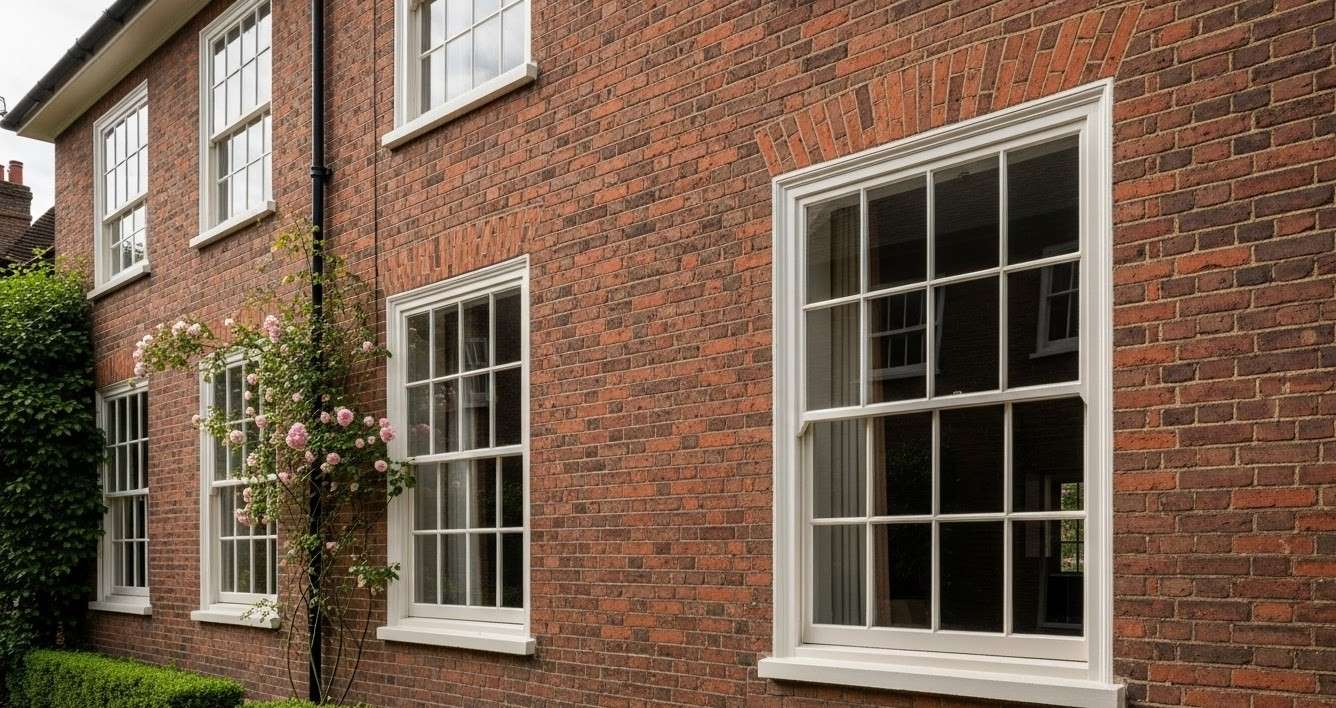
Conservation areas represent some of Britain’s most cherished architectural heritage. These designated zones protect the character and appearance of historic neighbourhoods, town centres, and villages that possess special architectural or historic interest. If your period property sits within one of these protected areas, replacing your sash windows involves navigating planning requirements that can, at first, seem daunting. However, with proper understanding and the right specialist support, the process becomes straightforward, and the results genuinely enhance both your property and the wider conservation area.
The key to success lies in understanding what conservation officers actually require, why these requirements exist, and how our modern manufacturing techniques can deliver windows that satisfy planning conditions whilst providing the thermal performance, security, and longevity that contemporary property owners rightfully expect. This isn’t about compromise or settling for inferior performance; It’s about intelligent design and our specialist expertise that balances authentic period aesthetics with modern engineering standards.
Understanding Conservation Areas and Their Window Replacement Requirements
The conservation area designation exists to preserve and enhance areas of special architectural or historic interest. Unlike listed building status, which protects individual structures, conservation area controls apply to entire neighbourhoods, ensuring that changes to properties don’t cumulatively erode the distinctive character that makes these areas special.
What Conservation Area Status Means for Your Windows
Within a conservation area, most external alterations that would be considered “permitted development” elsewhere require planning permission. Window replacement falls squarely into this category. You cannot simply order new windows and install them without local authority approval, even if you’re replacing existing modern windows with traditional designs.
The planning authority’s concern centres on maintaining the area’s historic character. Original sash windows contribute significantly to this character through their proportions, materials, detailing, and operation. When these are replaced inappropriately with modern casements, plastic frames, or poorly detailed replicas, the cumulative effect across multiple properties can fundamentally alter a conservation area’s appearance and diminish precisely what makes it architecturally significant.
However, planning authorities recognise that property owners have legitimate needs for improved thermal performance, security, and reduced maintenance. The system isn’t designed to force you to retain failing windows indefinitely or accept substandard performance. Rather, it ensures that when replacements occur, they respect and preserve the architectural language that defines the area.
Common Restrictions and Specifications
Conservation area planning conditions typically address several key aspects of window design and materials. Understanding these in advance allows you to specify replacements that satisfy requirements from the outset, avoiding the delays and costs of rejected applications or required modifications.
Materials and Construction Methods
Most conservation areas require timber construction for replacement windows. UPVC is almost universally prohibited in conservation areas with any meaningful architectural quality, and aluminium frames are rarely acceptable for period properties. This timber requirement isn’t arbitrary – it reflects how the original windows were constructed and ensures visual continuity across the conservation area.
The timber type may be specified or left to the applicant’s discretion, but it must be capable of achieving the required profiles and details. Modern engineered sash window timbers, like Accoya, are increasingly accepted because they deliver superior durability whilst allowing authentic detailing that matches original designs.
Glazing Bar Configuration and Profiles
The pattern of glazing bars fundamentally defines a sash window’s appearance and its period authenticity. Conservation officers scrutinise these carefully. They want to see genuine divided lights – individual panes of glass separated by timber glazing bars – not stuck-on Georgian bars applied to single panes of glass.
The profile of these glazing bars matters too. Modern mass-produced windows often use chunky, simplified profiles that bear little resemblance to the slender, refined glazing bars of original Georgian and Victorian windows. Conservation area approvals typically require glazing bars that match original dimensions and profiles, often just 12-18mm wide, creating the delicate grid pattern characteristic of period architecture.
Sash Horns, Meeting Rail Details, and Period Features
As always, the devil is in the detail; Sash horns – the small projecting elements at the bottom corners of the upper sash – were introduced in the Victorian era when larger panes of glass became available, and additional structural strength was needed. Their presence or absence immediately signals a window’s period, and conservation officers will specify whether your replacement should include them based on your property’s age and the conservation area’s predominant architectural period.
Meeting rail profiles requires similar attention. The way upper and lower sashes overlap when closed creates a distinctive shadow line that’s period-specific. Original meeting rails often feature subtle mouldings or chamfers that modern simplified designs omit. Getting this detail correct is essential for planning approval in areas where officers are knowledgeable about period joinery.
Paint Finishes and Colour Palettes
While modern preferences lean toward natural timber or stained finishes, conservation areas typically require painted timber matching the traditional approach. The colour palette may be specified – particularly in areas with strong local character where traditional colours predominate – or you may be required to match existing colours on your property if they’re historically appropriate.
Glossy finishes on external joinery are traditional and often encouraged. Matt or satin finishes, whilst popular in contemporary design, don’t reflect period practice and may not satisfy conservation officers looking for an authentic appearance.
The Planning Application Process: What to Expect
Securing planning permission for window replacement in a conservation area requires careful preparation and clear documentation. The process isn’t particularly complex, but it does demand attention to detail and often benefits significantly from specialist support.
Pre-Application Consultation: The Strategic Advantage
Before submitting a formal application, consider engaging with your local planning authority through its pre-application advice service. Most councils offer this for a modest fee, and the investment frequently proves worthwhile. You can present your proposed replacement specifications, receive feedback on potential concerns, and adjust your plans before submitting them formally.
This consultation phase offers invaluable intelligence. You’ll discover whether your local conservation officer is particularly focused on specific details – perhaps they have strong views on glazing bar dimensions, or they’re especially concerned about maintaining traditional paint colours. Understanding these priorities in advance allows you to address them proactively, significantly improving your application’s approval prospects.
Pre-application discussions also establish relationships. Conservation officers really appreciate applicants who engage constructively and demonstrate genuine interest in getting things right. This goodwill can prove helpful if any issues arise during formal application assessment.
Documentation Requirements and Technical Drawings
A successful planning application requires comprehensive documentation showing exactly what you intend to install. Vague descriptions or supplier brochures won’t suffice. Conservation officers need precise technical drawings showing profiles, dimensions, materials, and details.
Professional Computer Aided Design (CAD) drawings should illustrate your proposed windows in elevation, showing the complete frame and sash configuration. Section drawings must detail the timber profiles, glazing arrangements, and how the different components relate to each other. These sections reveal whether your proposed meeting rails, glazing bars, and mouldings accurately replicate period designs.
Providing photographic evidence of existing windows helps establish context. Officers need to understand what you’re replacing – are these original windows in poor condition, or later inappropriate replacements? If removing original windows, you’ll need to justify why repair isn’t viable, providing evidence of rot, structural failure, or irreparable damage.
Material specifications should clearly identify the timber type, finish systems, glazing types, and hardware. If using modern materials such as Accoya or slim-profile double glazing, include technical literature demonstrating how they achieve a period-appropriate appearance whilst delivering superior performance.
Typical Assessment Timelines and Approval Conditions
Standard planning applications must be determined within eight weeks of validation, though complex cases or requests for additional information can extend this timeframe. Conservation area applications often take the full eight weeks as officers carefully review the technical details and may consult with conservation specialists.
Approvals frequently come with conditions. You might be required to submit samples of timber, joinery details, or paint colours for officer approval before commencing work. These conditions aren’t obstacles; they’re the mechanism through which planning authorities ensure the approved designs are faithfully executed.
Some approvals require that old windows not be removed until replacements are ready for immediate installation, preventing properties from being left with temporary boarding or modern windows that don’t match the approval. Others may specify supervision or inspection at certain stages to verify compliance with approved specifications.
Common Reasons for Refusal and How to Avoid Them
Understanding why applications fail helps avoid these pitfalls in your own submission. The most frequent reasons for rejection are entirely predictable and preventable with proper preparation.
Insufficient Detail in Proposals
Applications that are rejected for lacking detail can be resubmitted with proper drawings and specifications, but this wastes time and potentially money on additional application fees. Avoid this by ensuring your initial submission includes comprehensive technical drawings, material specifications, and clear photographic evidence of existing conditions.
Inappropriate Materials or Modern Designs
Proposals for UPVC, aluminium, or simplified modern timber designs are routinely rejected in conservation areas. Don’t assume that expensive aluminium “heritage” windows will gain approval – conservation officers prioritise authenticity over marketing claims. Stick to timber construction with genuinely period-appropriate detailing.
Inadequate Justification for Removing Original Windows
If your existing windows are original to the building and substantially intact, you’ll need compelling justification for replacement rather than repair. Mere preference for modern performance is not sufficient; you need to provide evidence of structural failure, extensive rot beyond economic repair, or previous inappropriate alterations that have compromised the windows beyond redemption.
Failure to Match Existing Period Details
Applications that propose generic “Victorian-style” windows without matching the specific details of your property and the wider conservation area often fail. Officers want to see evidence that you’ve studied your building’s existing features and are accurately replicating them, not installing approximations.
Achieving Authentic Period Aesthetics with Modern Performance
The common misconception is that meeting conservation area requirements means accepting single-glazing, poor thermal performance, and ongoing maintenance challenges. This outdated view doesn’t reflect modern specialist capabilities. As sash window manufacturers, we deliver windows that pass the most rigorous conservation scrutiny whilst providing thermal performance, weather protection, and durability that equal or exceed modern Building Regulation standards.
Slim Double Glazing: The Conservation Solution
The breakthrough technology enabling both conservation and comfort is slim-profile double glazing. Traditional double-glazed units measure 24-28mm thick, creating excessively bulky sightlines that betray their modern origins. Conservation-friendly slim units measure just 12-18mm thick, approaching the dimensions of original single glazing whilst delivering genuine thermal benefits.
These slim units use special glass configurations – often combining different glass thicknesses or incorporating vacuum technology – to maintain thermal performance despite reduced overall thickness. The difference they make really is transformative. Your windows look authentically period-correct from both inside and outside, with slender sightlines and the correct visual “balance” between glass and timber, yet they achieve U-values of around 1.4-1.8 W/m²K, compared to 5.0+ W/m²K for single glazing.
Conservation officers increasingly recognise and approve slim double glazing because it delivers the appearance they require to protect the area’s character whilst also acknowledging homeowners’ legitimate need for energy efficiency and comfort. Slim double-glazing in sash windows is the solution that satisfies both heritage and performance requirements without compromise.
Authentic Glazing Bar Profiles and True Divided Lights
Slim double glazing enables another crucial conservation requirement: genuine glazing bars between individual panes rather than fake bars stuck onto single panes. This isn’t merely aesthetic pedantry; it is the difference that is immediately visible to anyone examining windows closely.
True divided lights require slim glazing units because traditional glazing bar profiles are only 12-18mm wide. Standard thick double glazing simply won’t fit between such slender bars. With slim units, manufacturers can create authentic glazing bar configurations with period-correct profiles that satisfy even the most exacting conservation officers.
The glazing bars themselves must be properly profiled. Original Victorian and Edwardian glazing bars feature delicate mouldings, usually an ovolo (quarter-round) profile or a simple chamfer. Modern simplified rectangular bars look wrong and will be challenged by informed conservation officers. As specialist manufacturers, we profile glazing bars to match original designs exactly, using historical references and surveying existing examples.
Period Hardware, Paint Systems, and Finishing Details
Authentic appearance extends beyond the timber profiles and glazing arrangements to encompass every visible detail. Original sash windows used cast iron fittings – sash lifts, fasteners, and pulleys – with distinctive period designs. Conservation approvals may specify that replacements use traditional ironmongery patterns rather than modern interpretations.
Paint systems require equal attention. Traditional linseed oil-based paints create the distinctive appearance of period joinery – a depth of colour and subtle sheen that modern water-based paints don’t replicate. Some conservation officers specify traditional paint systems, whilst others accept modern equivalents that achieve a similar appearance with superior durability.
Finishing details like putty lines around glass, the quality of paint application, and the precision of joinery joints all contribute to whether installed windows genuinely match period originals or merely approximate them. As experienced specialist manufacturers, we totally understand these subtleties and incorporate them as standard practice, not optional extras.
Why Specialist Expertise Matters in Conservation Projects
Successfully navigating conservation-area window replacement requires capabilities that go beyond basic joinery skills. The combination of planning knowledge, heritage expertise, precision manufacturing, and quality installation that these projects demand explains why, as experienced specialists, we consistently deliver approvals and satisfied clients, whilst general contractors often struggle.
Planning Application Support and Heritage Knowledge
Being established specialists, we maintain ongoing relationships with conservation officers across multiple local authorities. We understand each council’s particular concerns, know which officers prioritise which details, and can tailor applications to address local requirements effectively.
Our experience translates into practical support for application development. We can prepare the technical drawings conservation officers need, write supporting statements that address potential concerns proactively, and present proposals in the format and detail that streamlines assessment. We’ve successfully navigated hundreds of conservation area applications, and we apply this accumulated knowledge to your project.
When challenges arise, perhaps an officer requests additional information or raises concerns about specific details, The Sash Window Specialists understand how to respond constructively. We know which modifications will satisfy concerns whilst maintaining project integrity, and can negotiate solutions that work for everyone involved.
Bespoke Manufacturing Matching Original Designs
Conservation area windows cannot be mass-produced; standard designs are slightly modified for your property. Each project requires bespoke manufacturing that replicates your building’s original window specifications precisely.
This starts with detailed site surveys documenting every aspect of your existing windows. Surveyors measure not just overall dimensions but profile details, glazing bar configurations, moulding patterns, sash horn dimensions, and every other feature that defines your windows’ period character. They photograph details from multiple angles and often create templates of complex profiles.
Back at our sash window workshop, this survey data informs CAD designs for each individual window. No two openings are assumed identical because period buildings rarely feature perfect uniformity. Every window is individually designed to fit its specific opening whilst matching the documented original design language.
Our in-house manufacturing team then executes these bespoke designs with precision joinery techniques. Glazing bars are machined to match original profiles exactly. Meeting rails are configured to replicate the shadow lines and overlap details of your existing windows. Sash horns are sized and shaped to match documented examples. The result isn’t “Victorian-style” windows, it’s precise replicas of your specific building’s original design.
Installation Excellence and Project Management
Even perfectly manufactured windows can fail if installation doesn’t meet equally high standards. Conservation projects demand installation teams who understand heritage buildings, work meticulously, and protect the building’s existing fabric – that’s us.
Specialist installation begins with detailed preparation. Existing architraves and internal joinery must be carefully removed and preserved for reinstatement. Wall openings are assessed for any remedial work required before new frames are fitted. Internal reveals may need to be replastered where previous installations have caused damage.
Sash window frame installation requires precise positioning and fixing to ensure the windows operate perfectly for decades. In period buildings with thick walls, frames must be positioned to the exact depth to match the original reveals and maintain proper proportions. Fixings must be secure without damaging historic brickwork or masonry.
Weather sealing and draughtproofing systems must be incorporated discreetly, maintaining period appearance whilst delivering modern performance. Sash windows naturally allow some air circulation – they’re not sealed units like modern casements – but excessive draughts indicate poor installation. As sash window specialists, we strike the perfect balance between authentic functionality and comfortable interior environments.
Ongoing Support and Guarantee Confidence
Conservation area approvals often include conditions requiring long-term maintenance of approved specifications. If you later modify approved windows – perhaps changing paint colours, replacing glazing, or altering hardware – you may need further permission. Working with a specialist who understands these ongoing requirements provides security.
The guarantees on quality installations in conservation areas should match those offered elsewhere. That 50-year anti-rot guarantee on Accoya timber applies equally whether you’re in a conservation area or not. Our installation workmanship warranty provides comprehensive coverage. Your windows’ conservation credentials shouldn’t compromise the performance guarantees protecting your investment.
Common Conservation Area Scenarios and Solutions
Every conservation area presents unique challenges based on its specific characteristics, the local planning authority’s approach, and the individual circumstances of each property. Understanding how specialists address common scenarios helps you anticipate what your project might involve.
Replacing Victorian Sashes in a Designated Conservation Area
The most straightforward conservation scenario involves replacing deteriorated Victorian sash windows in a well-established conservation area. Original windows might be beyond economic repair due to rot, structural failure, or previous poor-quality repairs that have compromised their integrity.
The solution typically involves manufacturing exact replicas using slim double glazing. You’ll specify the correct number of panes for your windows’ period (often six-over-six or two-over-two for Victorian properties), include sash horns on the upper sashes, match the original glazing bar profiles, and select appropriate period ironmongery.
Planning applications for straightforward replacement of failed original windows generally receive sympathetic consideration. Officers recognise that replacement becomes necessary when repair isn’t viable, and they’ll approve well-specified replicas that maintain the area’s character whilst improving your property’s performance and condition.
Upgrading Inappropriate Modern Replacements
Many conservation area properties suffer from previous inappropriate window replacements installed before conservation designation or during periods of lax enforcement. These might be UPVC, modern softwood casements, or poorly-detailed sash windows that don’t match the building’s original design.
Replacing these inappropriate windows with correctly specified traditional designs actually enhances the conservation area and usually receives enthusiastic planning approval. You’re reversing previous harm and restoring your property’s contribution to the area’s character. Conservation officers actively encourage such improvements.
The planning application should clearly demonstrate that the existing windows are inappropriate replacements rather than original features. Photographic evidence, age dating, and comparison with the original windows of neighbouring properties help establish this. Your proposed replacements should match what the building would have featured originally, informed by surviving examples elsewhere in the conservation area if your property no longer retains originals.
Addressing Article 4 Directions and Enhanced Controls
Some conservation areas operate under Article 4 Directions, which remove permitted development rights more extensively than standard conservation area controls. These enhanced restrictions might apply to specific streets, squares, or particularly sensitive areas within wider conservation zones.
Article 4 Directions often impose stricter requirements on materials, colours, and details. You might be required to use specific traditional paint colours, particular hardware patterns, or construction methods that more closely match the original techniques than standard conservation area controls demand.
Navigating the requirements of Article 4 demands even greater specialist expertise. These projects require detailed historical research, often consulting the local authority’s conservation area appraisal documents, and designing replacements that satisfy heightened scrutiny. The planning application process may involve additional consultation and longer assessment periods.
Working with Listed Building Constraints Alongside Conservation Area Status
Properties that are both within conservation areas and individually listed face the most demanding approval processes. Listed Building Consent and Conservation Area Consent may both be required, potentially involving different officers and assessment criteria.
Listed building applications scrutinise not just external appearance but also internal impact, construction methods, and whether any historic fabric will be disturbed or lost. Officers may require detailed reports on existing window conditions from heritage consultants before accepting that replacement rather than repair is appropriate.
The documentation requirements escalate significantly. You might need to provide historical research on your building’s construction date and original window specifications, detailed condition reports with photographic evidence of defects, and expert opinions on the feasibility of repairs. The application process typically takes longer, and approvals often include extensive conditions requiring officer approval of samples, supervision of works, and detailed records of any historic fabric removed.
Making Conservation Area Window Replacement a Success
Replacing sash windows in a conservation area represents an opportunity to simultaneously enhance your property’s performance, preserve its architectural heritage, and contribute positively to your local area’s protected character. Success requires planning, patience, and partnership with specialists like us who combine heritage expertise with manufacturing excellence.
The process needn’t be intimidating. With proper understanding of requirements, thorough preparation of planning applications, and our specialist support throughout design and installation, you can navigate conservation controls confidently and achieve outstanding results that satisfy everyone involved – you, your local planning authority, and future generations who’ll appreciate your contribution to preserving Britain’s architectural heritage.
The investment in doing this properly pays dividends beyond planning approval. Sash windows manufactured to genuine period specifications, using premium materials that ensure decades of maintenance-free performance, installed to exacting standards by our craftsmen who understand heritage buildings – these aren’t compromises forced by conservation requirements. They’re superior solutions that also satisfy planning conditions, delivering the best possible outcome for your property, regardless of its conservation area status.
When you choose The Sash Window Specialist, and our deep understanding of conservation work, you’re not just securing planning permission. You’re ensuring that your significant investment delivers authentic period aesthetics, modern performance, comprehensive guarantees, and the confidence that your windows will enhance your property’s value and your area’s character for generations to come.
Before beginning any window replacement project in a conservation area, always check your property’s specific planning status with your local authority and, if available, review the conservation area appraisal. Consider engaging pre-application advice services to understand local requirements and work with us, drawing on our proven experience in conservation area approvals, heritage-appropriate manufacturing, and quality installation. Our expertise transforms regulatory requirements from obstacles into opportunities for excellence.
Ready to talk? Call The Specialist in Sash Windows on 0800 389 7384
Related posts


