


FENSA, PAS 24 and Part Q: What Applies When Replacing Windows?
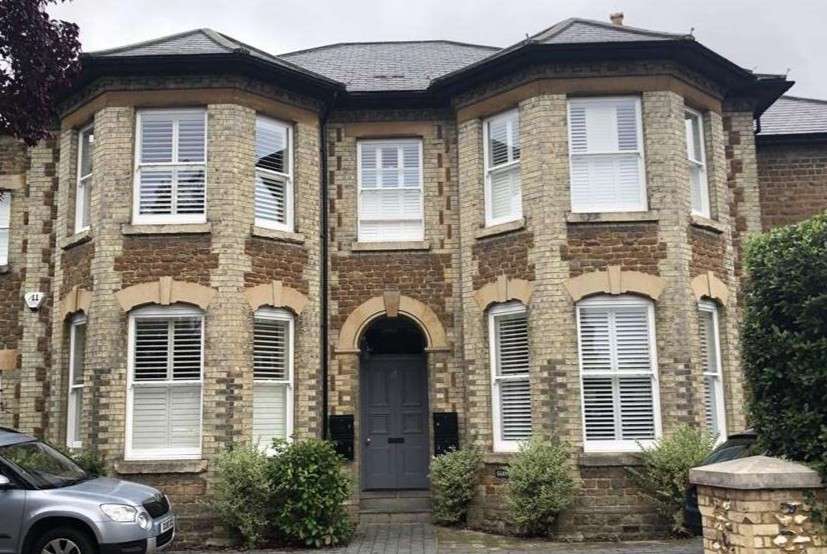
A Practical Guide for Homeowners and Landlords
Energy Performance Certificates (EPCs) are essential for UK property owners, especially for those with period windows, such as Georgian, Edwardian, and Victorian sash windows. Strategic improvements to traditional timber windows can enhance energy efficiency, boost property value, and maintain your home’s historical character.
Understanding EPC Ratings
EPCs provide a scale (A to G) rating for energy efficiency, including actionable recommendations.
Before you plan energy upgrades, review the following requirements for UK properties with period windows:
- Landlords in 2025 must achieve a minimum EPC rating of E to let properties or register exemptions if applicable.
- Sellers must provide buyers with a valid EPC.
- Homeowners benefit from understanding their rating, guiding smart investments – especially for homes with Victorian, Edwardian or Georgian sash windows.
- EPC Rules and Ratings are being further discussed and scrutinised for potential implementation in 2030.
By starting here, you’ll ensure compliance and identify how your windows impact overall efficiency.
Key Factors in EPC Window Assessment
When preparing your period windows for an EPC assessment, it’s important to consider these details:
- The glazing type in each traditional sash and casement window (single, double, slim double, triple).
- Frame material and condition – critical for Victorian, Edwardian, and Georgian sash and casement windows.
- Signs of draughts or gaps that contribute to heat loss.
- Total window area relative to wall size.
Addressing these factors will maximise your potential EPC rating improvement. After upgrades, keep records for future assessments.
Window Upgrade Recommendations by Property Type
Tailored solutions help preserve the charm and efficiency of your Edwardian, Georgian or Victorian sash and casement windows. Consider the following strategies for different property types:
For optimal results in homes with period windows:
- Victorian and Edwardian sash and casement windows: Install professional draught-proofing, add energy-efficient double glazing for street-facing windows, and consider retaining single glazing in less significant rooms if cost is a concern.
- Georgian sash and casement windows and listed buildings: Employ draught-proofing and install slim double glazing where permitted.
- 1930s and post-war homes with traditional sash and casement windows: Replace old windows with period double-glazed sashes and frames and apply full draught-proofing.
After implementing these recommendations, revisit efficiency annually and report upgrades in EPC renewals.
Landlords should:
- Focus on improving properties that are close to losing legal compliance.
- Phase window glazing upgrades (prioritise by room and its importance by usage).
- Look for bulk pricing for multiple sash window improvements.
This staged approach maintains compliance and enhances tenant satisfaction.
Budgeting for Sash Window Improvements
Understanding likely costs will help you plan the best approach for upgrading your Edwardian, Georgian, or Victorian sash and casement windows.
Most owners and landlords spend within these ranges when improving traditional sash and casement windows:
- £300–£600 per window for draught-proofing – No decoration,
- £1400–£2,500 per window for slim double glazing.
Keep overall costs within the £3,500 rental property improvement cap and remember that savings and comfort accrue over time.
Planning, Permissions, and Compliance
Period window upgrades must comply with regulatory requirements, particularly in conservation areas and listed buildings.
Follow these steps for compliance when altering Victorian sash windows, Edwardian sash windows, or Georgian sash windows:
- Consult conservation officers to confirm the acceptability of planned improvements,
- Use specialists for reversible changes (draught-proofing, secondary glazing),
- Confirm local authority permissions for slim double glazing and materials.
Document all permissions and work for future EPC assessments.
Next Steps: Turning Advice Into Action
Follow this structured checklist to ensure every period window in your property is ready for an EPC upgrade:
- Check your EPC rating: Visit the government’s EPC register,
- Inspect every period window: Note the type and condition of each Victorian sash and casement window, Edwardian sash and casement window, and Georgian sash and casement window.
- Consult a sash and casement window specialist: Obtain tailored advice for window upgrades in heritage properties.
- Plan staged improvements: Prioritise based on budget and compliance deadlines,
- Maintain your records: Track permissions, work, and bills to support future EPC assessments.
By adopting these next steps, property owners and landlords will ensure legal compliance, lower energy costs, and retain the beauty of traditional period timber sash and casement windows.
For the best traditional sash window replacements, contact us for a no-obligation quote by calling 0800 389 7384 or completing the quotation request form.
Related posts


