


RBKC Window Rules for Traditional Sash Windows
Traditional wooden sash windows consist of two sashes that slide up and down. The sashes are counterbalanced over pulleys by weights attached to cords. They are designed to slide up and down along fixed tracks aligned with the wall. The top and bottom sashes can be swapped to enable easy cleaning and decoration.
The Various Designs of Sash Windows
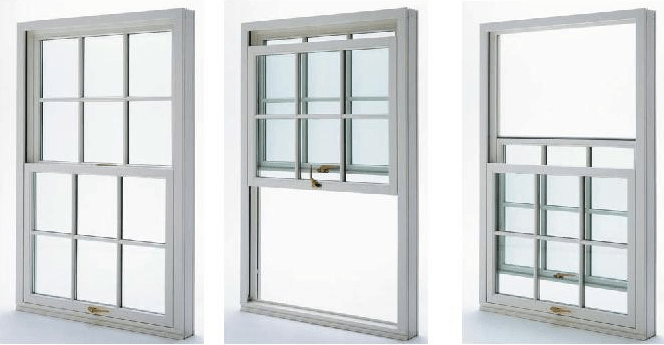 Sash windows have the advantage of flexibility in the regulation of fresh air in a room. They can open partially to the extent you need, thus giving you control over airflow through your house.
The main components found in sash windows include: box frame, top rail, sash cord, weights, sash locks, pulley wheel, sill, parting bead, meeting rails, apron and a stile. Glazing bars hold the panes together, and the number of panes in sash windows varies by era.
In Georgian times, a ‘six over six’ or ‘eight over eight’ layout was installed. As we moved into Victorian times, the preferred installation for larger panes was a ‘two over two’ design.
The Structure of Sash Windows
One aspect is certain: plastic is no substitute for wood. The cost of sash windows is a little higher, but this is a far higher-quality window and is expected to last well over 100 years with just a little maintenance each year. Plastic or uPVC can start to crack and separate at joints after several years, and discolour in direct sunlight, making them look shabby, cheap and dirty.
Basic Components
- Weights, cords and pulleys are used to counterbalance the sash weight by hanging in weight pockets.
- A Glazing bar, where appropriate, divides the installed panes inside the stile. Each has a groove carefully cut to securely hold the single pane. A top rail is used for the horizontal frame.
- The box frame holds the timber linings.
- The sash cord over the pulley securely holds the weights and is easy to replace.
- A Parting bead or vertical seal slots into the box frame. This secures the top sash and provides channels for the sashes to run.
- A staff bead is a four-sectioned construction attached to the frame. It secures the bottom sash and helps reduce draughts.
- Meeting rails join the sashes at the centre with bevelled faces so the sashes close properly.
- The parting beads, staffing beads and meeting rails are fully draught-excluding.
An additional advantage of sash windows is the ability to incorporate double glazing with low-energy glass that reflects heat and warmth back into the room, helping reduce energy costs. Every glass section is glazed individually, meaning that when one pane gets broken, you only have to replace that pane. This is why savvy property owners prefer double glazing in their sash windows.
Related posts


