





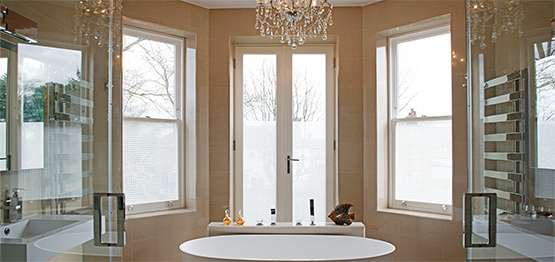
Traditional Wood Sliding Sash & Casement Window Services in Camberley, GU15
Installation, Replacement & Upgrade Specialists
NOT IN CAMBERLEY? We also cover Blackwater, Crowthorne, Frimley, Sandhurst, Frogmore, Bagshot, Farnham and more.
What Do We Do?
- Manufacture, fitting, and installation & reinstatement of traditional wooden sash windows,
- Replacement & upgrade of windows, boxes & sashes,
- Renovation, restoration & painting,
- Double glazing, energy efficient & other glass options,
- Bespoke styling, paint colour, furniture, security & timber options.
Why Use Us?
- Workshop, showroom and offices also based in Surrey,
- Specialists in traditional wooden sash windows,
- Bespoke windows and doors built to YOUR specifications,
- No quibble after-sales service – 100% satisfaction guarantee,
- It’s all us! Manufacturing, fitting, and support – no outsourced work.
About Our Sash & Casement Windows
Our custom sash windows and casement windows include a number of options for the customer including double-glazing, mouldings, window furniture and more. We also repair and restore sash windows in Camberley, Surrey. Also serving surrounding towns and villages including Blackwater, Frimley, Sandhurst, Frogmore, Bagshot and beyond.
You May Also Like
Sash Windows in Camberley, Surrey
A Victorian Military Town Built on Heritage and Tradition
Camberley, the principal town of Surrey Heath, sits approximately 31 miles southwest of central London in an area rich with both military heritage and Victorian architectural character. Originally established along the ancient Roman road known as the Devil’s Highway—once preyed upon by famous 17th-century highwaymen Claude Duval and William Davies – Camberley transformed from barren heathland into a thriving Victorian town following the establishment of military institutions and the arrival of the railway. Today, the town’s Victorian and Edwardian period properties, distinguished by their traditional sash windows, stand as a testament to this remarkable 19th-century development.
From Cambridge Town to Camberley: The Military Foundation
Until the early 19th century, the area that would become Camberley remained largely undeveloped heathland within Bagshot or Frimley Heath. The sandy topsoil proved unsuitable for agriculture, leaving the area sparsely populated despite its position along the Devil’s Highway Roman road. An Iron Age fort known as Caesar’s Camp stood nearby, and Roman pottery discovered in the vicinity of Frimley Green confirms ancient settlement, but substantial development awaited a catalyst that would arrive in the early 1800s.
That catalyst came in 1802 with the establishment of the Royal Military College (later merged with the Royal Military Academy Woolwich to form the present Royal Military Academy Sandhurst). The presence of this prestigious military institution attracted people to the area and created opportunities for development, as the settlement of Yorktown grew up around the college gates to provide amenities for students and staff.
Further impetus came in 1820 when the Staff College relocated to purpose-built premises designed by James Pennethorne and constructed between 1859 and 1863, adjacent to the Royal Military College. Military officers trained at these institutions often returned to settle in the area after their careers, and for a time, Camberley was known colloquially as “Colonelstown” due to the number of retired colonels residing there.
Property speculator Charles Raleigh Knight recognised the development potential and built the Cambridge Hotel, laying out streets that became known as Cambridge Town. However, to avoid confusion with the famous university city, the area was officially renamed Camberley in 1877—just one year before the transformative arrival of the railway.
The Railway Revolution: 1878 and Victorian Expansion
The opening of Camberley railway station in 1878 by the London and South Western Railway (originally named Camberley & York Town station) proved transformative for the town’s development. The population, which stood at approximately 700 in 1830, exploded to around 8,400 by the end of the century – a twelvefold increase driven by the railway’s ability to connect Camberley to London and the wider region.
This dramatic population growth sparked a Victorian building boom that created much of Camberley’s current residential character. Streets of Victorian terraced houses and substantial villas were constructed to house the expanding population – military families, retired officers, merchants, and professionals drawn by the area’s healthy heathland setting, military prestige, and improving transport connections. These Victorian properties, built primarily between 1878 and 1900, feature the characteristic sash windows that defined late Victorian domestic architecture and remain visible throughout Camberley’s residential streets today.
Victorian and Edwardian Architectural Heritage
Camberley’s period architecture reflects its late 19th-century development, with most historic buildings dating from the Victorian era following the railway’s arrival, plus Edwardian additions from the early 20th century.
Victorian Residential Architecture (1870s-1900)
The Victorian building boom created several distinct types of housing across Camberley:
Officers’ Villas: Substantial detached and semi-detached Victorian villas were built to house retired military officers and prosperous families. These properties typically feature:
- Bay windows projecting from the ground and first floors, fitted with sash windows on three sides,
- Two-over-two sash window configurations with large panes divided by single horizontal glazing bars,
- Decorative brickwork in warm yellows and reds,
- Ornate bargeboards, ridge tiles, and cast iron details,
- Generous gardens reflecting the semi-rural heathland setting.
Victorian Terraces: More modest terraced housing provided homes for merchants, clerks, and military support staff. These properties maintain Victorian quality whilst being more compact:
- Standard two-over-two sash windows throughout,
- Bay-fronted reception rooms creating bright living spaces,
- High ceilings characteristic of Victorian design,
- Simple but elegant facades with minimal ornamentation.
Workers’ Housing: Captain Knight and other builders erected working-class housing to accommodate those serving the growing town’s commercial needs. These simpler Victorian cottages often featured smaller sash window configurations whilst maintaining the functional elegance of Victorian joinery.
St Michael’s Church, Yorktown
Built by architect Henry Woodyer in 1848-49 with later 19th-century additions, St Michael’s parish church at Yorktown predates much of Camberley’s residential development. This Victorian church, with its period-appropriate windows, demonstrates the quality of ecclesiastical architecture that accompanied the military institutions and helped establish Camberley’s character before the railway-driven boom.
Edwardian Development (1900s-1914)
Camberley’s growth continued into the Edwardian period, adding another architectural layer:
St Paul’s Church, Church Hill: Built in 1902 by architect W D Caroe in a distinctive Scandinavian style, this Edwardian church demonstrates how architectural influences broadened in the early 20th century whilst maintaining traditional window craftsmanship.
Edwardian Suburban Housing: Properties built during Edward VII’s reign reflect evolving domestic preferences:
- Wider, shorter houses on larger plots than Victorian terraces,
- Arts and Crafts influence with refined, less ornate detailing,
- Simplified sash window configurations, often one-over-one or upper sash only divided,
- Mock Tudor elements on some properties (timber cladding, decorative beams),
- Front gardens provide privacy and green space.
The Obelisk
The remains of a brick tower built by John Norris in the 1770s stand atop The Knoll, making it Camberley’s oldest surviving structure. Known as The Obelisk, this Georgian-era building predates the town’s Victorian development and provides a reminder of the area’s earlier history before military institutions and railways transformed the landscape.
Sash Windows in Camberley: Period Characteristics
The sash windows throughout Camberley’s Victorian and Edwardian properties display characteristics specific to their construction periods:
Late Victorian Sash Windows (1870s-1900)
Two-Over-Two Configurations: The standard late Victorian sash window features two large panes per sash, divided by a single horizontal glazing bar. This design, made possible by advances in glass manufacturing, represents the classic late Victorian aesthetic and appears throughout Camberley’s residential streets.
Bay Window Sashes: Victorian bay windows typically feature sash windows on three sides (front and two angled returns), creating bright, spacious reception rooms. The sashes in bays often match the configuration of flat wall windows, maintaining visual consistency.
Quality Joinery: Victorian builders in Camberley maintained high construction standards, reflecting the town’s association with military prestige. Sash windows feature solid timber construction, precisely fitted glazing bars, and traditional counterweight mechanisms ensuring smooth operation.
Generous Proportions: Victorian sash windows in Camberley are notably tall, designed to flood high-ceilinged rooms with natural light whilst providing effective ventilation – important in an era before mechanical air conditioning.
Edwardian Sash Windows (1900-1914)
Simplified Designs: Edwardian sash windows often feature cleaner, less ornate aesthetics than Victorian examples. The one-over-one configuration (no glazing bars) or windows where only the upper sash is divided became increasingly common.
Arts and Crafts Influence: Some Edwardian properties show Arts and Crafts movement characteristics, with carefully proportioned sash windows featuring quality materials and thoughtful design rather than elaborate ornamentation.
Lighter Interiors: Edwardian preference for lighter, airier interiors is reflected in window design, with larger panes and simpler glazing patterns allowing maximum natural light.
Conservation and Heritage Protection
Camberley protects its architectural heritage through conservation measures that recognise the town’s Victorian and Edwardian character:
Listed Buildings: Camberley is home to around 30 listed structures, including churches, the Obelisk, and significant period buildings. These listings recognise architectural and historical importance, requiring careful attention to maintaining authentic features, including original or period-appropriate sash windows.
Conservation Areas: Two designated conservation areas help preserve Camberley’s heritage character, protecting streetscapes from inappropriate development and ensuring period features are maintained or sympathetically replaced.
Locally Listed Buildings: Surrey Heath Borough Council maintains a list of 198 locally listed buildings identified as having local architectural or historic significance. This designation helps preserve period features, including timber sash windows, throughout the town.
For property owners within conservation areas or with listed buildings, maintaining the authentic character of sash windows is both a practical necessity and a heritage responsibility. Even properties outside formal designations benefit from sympathetic window treatment that preserves Camberley’s cohesive Victorian and Edwardian streetscapes.
Modern Camberley: Heritage and Commerce in Balance
Today, Camberley functions as Surrey Heath’s principal commercial and employment centre whilst preserving its Victorian architectural heritage. The town houses major employers, including Oracle, Krispy Kreme, the Burlington Group, and Siemens, all with UK headquarters in the Albany Park industrial estate. Surrey Heath Borough Council also maintains offices in the town.
Camberley’s shopping facilities include The Mall (with over 90 shops), Primark, and retail areas along Princess Way and Park Street. Despite this commercial development, residential streets maintain the Victorian and Edwardian character created during the railway-driven boom, with period properties continuing to provide characterful homes over a century after construction.
The Royal Military Academy Sandhurst continues on the border between Sandhurst and Camberley, maintaining the military connection that sparked the town’s development. Since 1947 (when the Royal Military Academy Woolwich and the Royal Military College merged) and particularly from the 1970s, Sandhurst has served as the sole establishment for initial officer training for men in the British Army, continuing traditions established over two centuries.
Transport Connections
Camberley’s transport connectivity continues the tradition established by the 1878 railway:
Rail Services: Camberley railway station on the Ascot–Ash Vale line provides connections to London Waterloo (35 miles), Ascot, Aldershot, and intermediate stations. The station, operated by South Western Railway, was completely rebuilt in 1975 but continues serving the town it helped create. The route was electrified by the Southern Railway on 1 January 1939, improving service frequency and speed.
Road Access: The M3 and M4 motorways provide excellent road connectivity, whilst local routes follow historic paths including the ancient Devil’s Highway (now the A30).
Branch Line Access: Nearby Farnborough and Blackwater stations offer additional rail options for residents.
Post-War Development and the Old Dean Estate
Following World War II, the Old Dean housing estate was built in the 1950s to accommodate residents from the Surrey metropolitan boroughs made homeless by wartime bombing. This post-war development added modern housing stock whilst the Victorian and Edwardian core retained its period character. Land sold piecemeal by the Ministry of Defence during this period enabled estate construction, factories, and commercial development, including new shopping centres.
Preserving Camberley’s Sash Window Heritage
For homeowners with Victorian or Edwardian properties in Camberley, sash windows represent both functional elements and architectural heritage, connecting to the town’s remarkable 19th-century transformation from heathland to thriving military and commercial centre. Whether your property dates from the initial post-railway boom of the 1880s-1890s or the Edwardian expansion of the early 1900s, your sash windows tell the story of Camberley’s development.
Original Victorian and Edwardian sash windows, where they survive, demonstrate period craftsmanship with their precise joinery, traditional counterweight mechanisms, and elegant proportions. Even where replacement has become necessary over the decades, maintaining period-appropriate designs preserves the cohesive streetscapes that give Camberley’s residential areas their distinctive character.
Contemporary Solutions for Period Sash Windows
Homeowners in Camberley’s Victorian and Edwardian properties can enhance their sash windows’ performance whilst respecting architectural heritage:
Specialist Restoration: Many original Victorian and Edwardian sash windows are better restored than replaced. Professional services can repair deteriorated timber, restore counterweight mechanisms, preserve period glazing configurations, and ensure smooth operation whilst maintaining authentic character.
Draught-Proofing Systems: Modern draught-proofing dramatically improves thermal efficiency without altering external appearance. These systems create effective seals at all meeting points, eliminating air infiltration whilst preserving the smooth vertical operation characteristic of traditional sash windows.
Slim Double Glazing: Heritage-appropriate slim double glazing units (typically 12-18mm thick) can be fitted into existing Victorian or Edwardian sash frames or incorporated into new reproduction sashes. These units maintain slender sightlines essential to period aesthetics whilst providing contemporary thermal performance and energy efficiency.
Authentic Replacements: Where sash windows have deteriorated beyond economic repair, specialist manufacturers can create replacements precisely matching Victorian or Edwardian specifications – correct two-over-two or one-over-one glazing configurations for the period, appropriate timber species, traditional counterweight mechanisms, and period joinery methods. These reproduction windows incorporate modern improvements, such as double glazing, whilst maintaining a period-correct external appearance.
Conservation Compliance: For listed buildings or properties in conservation areas, specialists experienced with Surrey Heath planning requirements ensure appropriate solutions that preserve heritage character whilst meeting performance expectations.
Expert Sash Window Services in Camberley
Whether your Camberley property features original Victorian sash windows requiring sensitive restoration, Edwardian examples needing draught-proofing and repair, or you’re seeking authentic replacements that honour the town’s architectural heritage, specialist expertise ensures the best outcomes.
The Specialist in Traditional Sash Windows has been serving Camberley and the surrounding Surrey areas since 1999. Our quarter-century of experience with Victorian and Edwardian properties means we understand the specific requirements of Camberley’s period homes – from substantial officers’ villas with elaborate bay windows to Victorian terraces and Edwardian houses throughout the town’s residential streets.
We provide comprehensive services, including specialist restoration of historic sash windows, draught-proofing systems, repairs using traditional materials and methods, slim double-glazing upgrades, and complete window replacement, all designed to preserve the architectural heritage that connects modern Camberley to its Victorian military town origins.
From technical expertise in late Victorian joinery and traditional counterweight systems to an understanding of Edwardian Arts and Crafts influences and Surrey Heath conservation requirements, specialist knowledge ensures your sash windows continue to grace your period home whilst meeting contemporary performance expectations.
Ready to Enhance Your Sash Windows in Camberley?
Are you restoring a Victorian villa, maintaining an Edwardian terrace, or upgrading period sash windows with bespoke timber replacements tailored to your home’s heritage? Our team of sash window specialists understands the architectural character that makes Camberley’s period properties special and can provide expert guidance on the most appropriate solutions for your specific needs.
Get in touch today for a free consultation, no-obligation quote, and professional advice on sash windows in Camberley. Whether you need restoration of historic windows, draught-proofing to improve comfort and efficiency, or complete replacement with authentic reproductions, we’re here to help preserve Camberley’s Victorian and Edwardian architectural heritage whilst enhancing the performance and value of your period property.
Areas we serve
We've a 9.8/10 score from 600+ reviews