





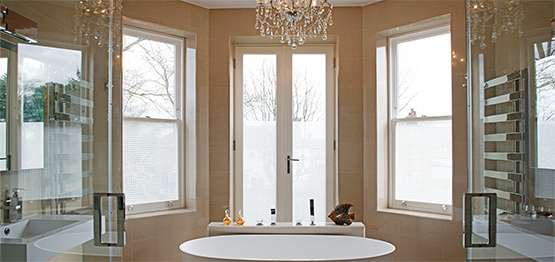
Traditional Wooden Sash Windows in Brixton
Installation, Fitting, and Replacement Window Specialists
What Do We Do?
- Fitting, installation, & replacement of traditional wooden windows,
- Replacement & upgrade of windows, boxes & sashes,
- Double glazing, energy efficient & other glass options,
- Bespoke styling, paint colour, furniture, security & timber options.
Why Use Us?
- Sash window workshop, showroom and offices based nearby in Surrey,
- Specialists in traditional wooden sash windows,
- Bespoke windows and doors built to YOUR specifications,
- No quibble after-sales service – 100% satisfaction guarantee,
- It’s all us! Manufacturing, fitting, and support – no outsourced work.
About Our Sash & Casement Windows
Our custom sash windows and casement windows include a number of options for the customer, including double-glazing, mouldings, window furniture and more. Please contact us first to arrange the manufacture, replacement and fitting of beautiful traditional wooden sash windows in Brixton (Lambeth), South London.
You May Also Like
Sash Windows in Brixton, South London
A Victorian Shopping Capital Built on Elegant Architecture
Brixton, located in the London Borough of Lambeth, approximately 2.7 miles south-southeast of central London, is one of South London’s most vibrant and historically significant areas. The name Brixton is thought to originate from “Brixistane”, the stone of Brixi, a Saxon lord, yet the area’s transformation into the bustling district we know today is fundamentally a Victorian story, as seen in the elegant terraced houses and commercial buildings whose sash windows remain defining features of the Brixton streetscape.
From Rural Common to Victorian Suburb: The Railway Revolution
Until the early 19th century, Brixton remained largely rural, with the Manor of Lambeth owned by the Archbishop of Canterbury. The enclosure of Rush Common in 1806 and the opening of Vauxhall Bridge in 1816 marked the first phase of development, with terraced houses and detached villas lining the main roads. The Rush Common enclosure stipulations required that houses be set back from the main roads, with generous front gardens, establishing a pattern of spacious, elegant development that characterised early Brixton.
St Matthew’s Church, consecrated in 1824 on former common land and built in the Greek Doric style, served this emerging community. Ashby’s Mill, one of London’s few surviving windmills, was built in 1816 just off Brixton Hill, surrounded by the Victorian houses that would soon proliferate across the area.
However, it was the arrival of the railways that transformed Brixton from a semi-rural area into a thriving Victorian suburb and, eventually, South London’s premier shopping destination. On 25 August 1862, Brixton and South Stockwell railway station opened on the London, Chatham and Dover Railway line from Victoria. Four years later, on 13 August 1866, the London, Brighton & South Coast Railway opened Loughborough Park station (later East Brixton), providing connections to London Bridge and subsequently to Victoria.
With the railways came an immediate and dramatic building boom. Between the 1860s and 1890s, Brixton was completely transformed into a middle-class suburb, with streets of Victorian terraced houses rapidly replacing fields and common land. The elegant sash windows of these new homes, reflecting the latest Victorian architectural fashions, created the residential streetscapes that still characterise much of Brixton today.
Victorian Brixton: The Shopping Capital of South London
Brixton’s transformation wasn’t limited to residential development. The excellent railway connections and a rapidly growing population made Brixton ideal for commercial expansion, and it developed into a major retail centre during the Victorian era.
In 1877, the Bon Marché opened on Brixton Road – the first purpose-built department store in the country. This pioneering building, designed by Lambeth architects Messrs H. Parsons & Rawlings and constructed between 1876 and 1877, was also the first steel frame building in Britain. Named after the original Bon Marché in Paris, it opened at a cost of £70,000 and trebled in size by 1887, demonstrating Brixton’s commercial success.
Electric Avenue, built in 1888, became the first shopping street lit by electricity – a technological marvel of the Victorian age. Shortly thereafter, a Victorian iron-and-glass canopy was installed, creating the covered shopping experience that remains today. These innovative Victorian commercial buildings featured large display windows on the ground floors, with elegant sash windows on the upper storeys, where shopkeepers and their families often resided.
By 1925, Brixton had become the shopping capital of South London, housing three large department stores and some of the earliest branches of Britain’s major national retailers. This Victorian commercial heritage, characterised by large retail windows below and residential sash windows above, defined Brixton’s architectural identity.
Victorian and Edwardian Residential Architecture
The residential streets radiating from Brixton’s commercial centre showcase the full range of Victorian and Edwardian terraced housing styles, each period distinguished by its particular approach to sash window design.
Early Victorian Development (1860s-1870s)
The initial wave of post-railway development produced substantial terraced houses and detached villas for middle-class families. These properties typically feature:
Multi-Pane Sash Windows: Earlier Victorian homes in Brixton often feature six-over-six or four-over-four sash windows, with multiple small panes separated by delicate glazing bars. These windows represent the classic early-to-mid Victorian aesthetic before large sheet glass became affordable.
Generous Proportions: Following the Rush Common enclosure stipulations, many early Victorian houses were set back from main roads, with substantial front gardens, creating an airy, spacious feel that the tall sash windows complement.
Stucco Facades: Many larger Victorian villas feature stuccoed exteriors with Greek Revival porches and ornamental detailing around the sash windows, particularly on properties along Brixton Hill and major thoroughfares.
Late Victorian Terraces (1870s-1890s)
As development intensified during the building boom, more modest two- and three-storey terraces became the norm, built to house the rapidly expanding population:
Two-Over-Two Sash Windows: The standard late Victorian configuration features two large panes per sash, divided by a single horizontal glazing bar. This design, enabled by advances in glass manufacturing, became ubiquitous across Brixton’s residential streets and represents the classic late Victorian aesthetic.
Bay Windows: Projecting bay windows, typically spanning ground and first floors, are prominent features of Brixton’s Victorian terraces. These elegant bays are fitted with sash windows on three sides, creating bright reception rooms that remain highly desirable features today.
Coloured Brickwork: Victorian builders in Brixton employed decorative yellow and red brickwork, ornamental ridge tiles, and elaborate bargeboards, all complemented by the proportions and glazing patterns of their sash windows.
High Ceilings, Narrow Footprints: Following the typical London Victorian terrace pattern, these homes feature high ceilings in relatively narrow rooms. The tall sash windows are essential to this design, providing abundant natural light and ventilation that make the narrow rooms feel spacious and airy.
Edwardian Expansion (1900s-1910s)
Brixton’s growth continued into the Edwardian period, adding another layer to the area’s architectural character:
Arts and Crafts Influence: Many Edwardian properties in Brixton reflect the Arts and Crafts movement, with more refined, less ornate detailing than in high Victorian designs. Sash windows from this period often feature simplified glazing patterns, with many homes displaying the characteristic Edwardian style where only the upper sash is divided by glazing bars.
Wider, More Spacious Homes: Edwardian terraces are typically shorter and broader than their Victorian predecessors, with larger rooms and more generous hallways. The sash windows reflect this shift towards lighter, airier interiors with less cluttered decoration.
Mock Tudor Details: Some Edwardian properties feature mock Tudor cladding on upper storeys, timber beams in porches, and other period revival elements, whilst retaining traditional sash windows that maintain consistency with the broader streetscape.
Brixton’s Architectural Landmarks
Beyond residential housing, Brixton boasts several significant Victorian and Edwardian buildings that demonstrate the era’s architectural ambition:
St Matthew’s Church (1824): This Grade II* listed building in Greek Doric style features tall windows appropriate to its ecclesiastical purpose, establishing the area’s architectural quality from the early 19th century.
Tate Library (1893): Gifted to the community by Sir Henry Tate and opened by the Prince of Wales (later Edward VII), this library on Windrush Square was designed by Sydney R. Smith. It represents the finest example of high Victorian civic architecture.
Lambeth Town Hall (1908): The Edwardian Baroque building, designed by architects Warwick and Hall, was formally opened by the future King George V and Queen Mary. Its grand windows and architectural detailing exemplify Edwardian civic pride.
The Ritzy Cinema (1911): Originally opened as the Electric Pavilion, this was one of England’s earliest purpose-built cinemas. The Edwardian building with its period windows has been enlarged but retains its historic character.
Reliance Arcade (1923-1925): Although slightly later, this Art Deco building, set within an existing Georgian house, demonstrates Brixton’s ongoing architectural evolution, with rare Egyptian-inspired terracotta detailing on the Electric Lane frontage.
Victorian Innovation: Electric Avenue and Brixton Market
Electric Avenue deserves special mention as a pioneering example of Victorian commercial architecture. Built in 1888, it was the first shopping street illuminated by electricity, a revolutionary innovation that drew shoppers from across South London. The Victorian iron and glass canopy, installed shortly after, protected shoppers whilst allowing natural light to illuminate the street during daytime, complementing the electric lights that made evening shopping possible for the first time.
Brixton Village (originally Granville Arcade) and Market Row, which opened in 1937, continued this tradition of innovative covered shopping with curved steel-truss roof structures. These buildings, granted Grade II-listed status in 2010, demonstrate how Brixton’s Victorian commercial heritage influenced subsequent developments.
Preserving Brixton’s Sash Window Heritage
Despite subsequent development, including post-war modernist buildings and recent regeneration, Brixton “still features some grand Victorian housing” throughout its residential streets. These Victorian and Edwardian terraces, with their characteristic sash windows, provide the architectural backbone that gives Brixton its distinctive character.
For homeowners with period properties in Brixton, maintaining or restoring sash windows preserves not only individual homes but also the cohesive Victorian streetscapes that tell Brixton’s story of rapid transformation from a rural common to South London’s shopping capital. Whether your property dates from the initial railway-driven boom of the 1860s-1870s, the peak Victorian building period of the 1880s-1890s, or the Edwardian expansion of the early 1900s, your sash windows connect you to this remarkable history.
Modern Brixton: Diversity Built on Victorian Foundations
Today, Brixton thrives as a vibrant, multi-ethnic community identified in the London Plan as one of 35 major centres in Greater London. The area is famous for Brixton Market’s diverse global food offerings, influenced by the extensive Afro-Caribbean community that settled here after WWII as part of the Windrush Generation. This cultural richness adds layers of significance to Brixton’s Victorian architecture, grand period buildings that have welcomed generations of new communities whilst maintaining their essential character.
The main shopping areas along Brixton Road continue the retail tradition established in the Victorian era, whilst venues like the O2 Academy Brixton (a former cinema and theatre) carry forward the entertainment heritage begun in Edwardian times. Amid this contemporary vitality, the Victorian and Edwardian terraced houses, with their elegant sash windows, provide continuity, housing families as they did over a century ago.
Transport Connections
Brixton benefits from excellent transport links that build on its Victorian railway heritage. Brixton Underground station on the Victoria line provides rapid access to central London, whilst Brixton railway station (the original 1862 Brixton and South Stockwell station) continues to serve the area with connections to Victoria, Blackfriars and beyond. Numerous bus routes ensure comprehensive connectivity across South London.
Contemporary Solutions for Period Windows
Homeowners in Brixton’s period properties can enhance their sash windows’ performance whilst preserving their historic character through various sympathetic improvements:
Professional Draught-Proofing: Modern draught-proofing systems eliminate air infiltration without altering the appearance of windows, thereby improving comfort and energy efficiency whilst respecting Victorian and Edwardian design.
Slim Double Glazing: Heritage-appropriate slim double-glazed sash window units (typically 12-18mm thick) can be fitted into existing sash frames or new reproduction sashes, maintaining the slender sightlines characteristic of period windows whilst providing contemporary thermal performance.
Restoration and Repair: Many original Victorian and Edwardian sash windows can be restored rather than replaced, preserving authentic period features, original glass, and historic joinery whilst ensuring smooth operation and weather resistance.
Authentic Replacements: When replacement is necessary, specialist manufacturers can create new sash windows that precisely match Victorian or Edwardian specifications, incorporating modern improvements such as double glazing whilst maintaining a period-correct external appearance.
Conservation and Heritage Considerations
As a designated major centre with significant Victorian heritage, Brixton includes several areas where conservation considerations apply. The Townscape Heritage Initiative recognises the importance of Brixton’s Victorian commercial and residential architecture, including the characteristic sash windows that define the area’s streetscape.
When undertaking work on sash windows in conservation areas, it’s essential to use specialists who understand both the technical requirements and the heritage significance of period windows. Sympathetic restoration and replacement maintain Brixton’s architectural character whilst ensuring homes remain comfortable, efficient, and valuable.
Expert Sash Window Services in Brixton
Whether your Brixton property features original Victorian sash windows requiring sensitive restoration, Edwardian examples needing draught-proofing and repair, or you’re looking to install authentic replacements that honour the area’s rich architectural heritage, specialist expertise ensures the best results.
The Specialist in Traditional Sash Windows has been serving Brixton and the surrounding South London areas since 1999. Our quarter-century of experience with Victorian and Edwardian properties means we understand the specific requirements of Brixton’s period homes, from the substantial bay-windowed villas built during the initial railway boom to the elegant terraces that line the residential streets, and the upper-floor windows of Victorian commercial buildings along the main thoroughfares.
We provide comprehensive services, including professional draught-proofing, repairs and restoration, slim double-glazing upgrades, and complete window replacement, all designed to enhance performance whilst preserving the period character that makes Brixton’s streets so distinctive. From technical expertise in traditional joinery techniques to an understanding of conservation requirements and Victorian architectural styles, specialist knowledge ensures your sash windows continue to grace your period home for generations to come, maintaining the connection between Brixton’s vibrant present and its remarkable Victorian past.
Areas we serve
We've a 9.8/10 score from 600+ reviews