





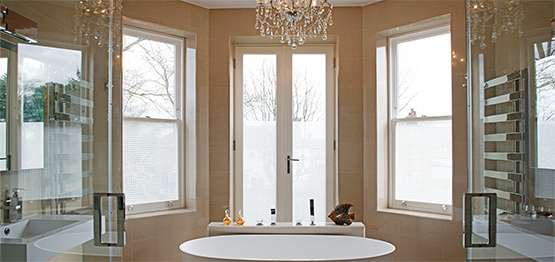
Traditional Wood Sash & Casement Window Services in Putney, SW15
Installation, Replacement & Upgrade Specialists
Not in Putney? We also cover other areas of SW London, including Barnes, Fulham, Richmond, and Wimbledon.
What Do We Do?
We design and manufacture traditional timber sash windows at our Surrey workshop, then install them ourselves. From a single bespoke replacement sash to a full reinstatement across a period property, every window is built to your exact specifications and fitted by our own team.
- Bespoke design and manufacture of traditional timber sash windows
- Fitting, installation and reinstatement of traditional wooden windows
- Replacement and upgrade of windows, boxes and sashes
- Double glazing, energy-efficient and specialist glass options
- Bespoke styling, paint colours, ironmongery, security and timber choices
Why Use Us?
- We design, manufacture, and install every window ourselves. There’s no outsourcing and no middlemen,
- Every bespoke window and door is built precisely to your specifications,
- Our sash window workshop, showroom and offices are based locally in Surrey,
- We are the specialists in traditional wooden sash windows with decades of hands-on experience,
- 100% satisfaction guarantee and a no-quibble after-sales service.
About Our Sash & Casement Windows
Our custom sash and casement windows in Putney, SW London, offer a range of options, including double-glazing, mouldings, window furniture, and more.
You May Also Like
The History of Sash Windows in Putney
Putney is one of south-west London’s most architecturally rich suburbs, and its housing stock tells the story in timber. From the late Georgian villas along the Embankment and Lower Richmond Road to the dense Victorian terraces laid out after the railway arrived in 1846, and the confident Edwardian semis that followed, the area accumulated several generations of period housing in relatively quick succession. The result is a streetscape where traditional timber sash windows are not a stylistic choice but a defining architectural feature, present in their thousands across SW15.
Georgian Putney and the Birth of the Sash Window
The earliest surviving domestic architecture in Putney dates from the Georgian period, when the area functioned as a semi-rural retreat for London professionals. The proportions of Georgian design demanded the vertical sliding sash: symmetrical elevations, tall narrow openings, slender glazing bars dividing small panes of crown glass. Surviving Georgian properties cluster along the Embankment and Lower Richmond Road, many of them now protected under Wandsworth Borough Council’s conservation area designations. In these properties, the original timber box sash construction is often still in place, and where it is not, like-for-like replacement in traditional timber is typically required by the local planning authority.
Victorian Expansion and the Sash at Scale
Putney’s Victorian expansion transformed it from a riverside village into a fully formed suburb, and it is Victorian housing that dominates the area today. The ornate confidence of the late Victorian middle classes expressed itself in bay-fronted terraces, decorative brickwork, and elaborately detailed sash windows with thick horns, heavier mouldings and larger panes made possible by the wider availability of sheet glass. The Deodar Road Conservation Area is a well-preserved example of this character, its late Victorian houses retaining the architectural coherence that Wandsworth’s conservation rules are designed to protect.
For owners of Victorian properties in Putney, the original timber windows are frequently still in situ, though in varying states of repair. Broken sash cords, swollen frames, draughty meetings rails and failed putty are common complaints in houses of this age, but none of them are arguments for replacement. A well-built timber sash window, properly overhauled, will outlast any modern alternative.
Edwardian Putney and the Transition to Larger Glass
The Edwardian period brought a shift toward larger panes, simpler glazing bar patterns and slightly heavier proportions, but the vertical sliding sash remained the window of choice for the substantial houses and mansion flats built across Putney in the early years of the twentieth century. Putney Library, opened in 1899, is a characteristic example of the red-brick Edwardian civic architecture found throughout the area. Domestic Edwardian building continued this confidence in scale and material, and many of the resulting properties fall within or adjacent to Putney’s protected zones.
Conservation Areas and Planning Considerations
Wandsworth Borough Council designates several conservation areas within and around Putney, including Deodar Road, Coalecroft Road and the Putney Embankment. Within these areas, planning controls restrict the replacement of original windows with materials or profiles that would alter the character of the building or streetscape. Permitted development rights for window replacement are significantly curtailed, and the use of uPVC or aluminium in place of timber is routinely refused. Even outside designated conservation areas, properties of Victorian or Edwardian character may be subject to Article 4 Directions that remove permitted development rights, or may require planning permission where the work would affect their external appearance.
Bespoke Timber Sash Windows for Putney Properties
The Sash Window Specialist designs and manufactures traditional timber sash windows at our Surrey workshop, built to the exact dimensions and profiles of the originals they replace or reinstate. Whether you own a Georgian villa on the Embankment, a late Victorian terrace in East Putney or an Edwardian conversion in West Putney, we can match your existing windows precisely, including the correct horn detail, glazing bar profile, meeting rail section and timber species.
Our team handles the full process: surveying, manufacturing, installation, and finishing. We do not outsource any part of the work. If you are subject to conservation area restrictions or listed building consent requirements, we can advise on appropriate specifications and help you understand what is and is not permitted before any work begins.
Call The Specialist in Sash Windows on 0800 389 7384
for a friendly chat about new timber windows for your London Putney property
Areas we serve
We've a 9.8/10 score from 600+ reviews