





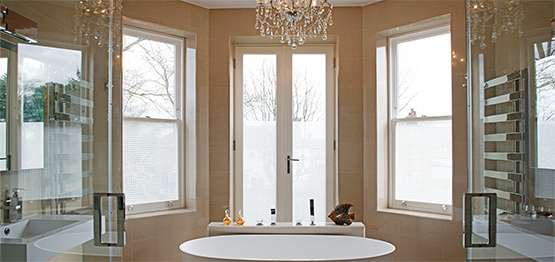
Traditional Wooden Sash Windows in Balham
Installation, Fitting, and Replacement Window Specialists
Sash Windows in SW12 and SW17
- Traditional timber sash window manufacture, replacement, and fitting,
- Replacement & upgrade of windows, boxes & sashes,
- Double glazing, energy efficient & other glass options,
- Bespoke styling, paint colour, furniture, security & timber options,
Why Use The Specialist in Sash Windows
- Sash window workshop, showroom and offices based nearby in Surrey,
- Specialists in traditional wooden sash windows,
- Bespoke windows and doors built to YOUR specifications,
- No quibble after-sales service – 100% satisfaction guarantee,
- It’s all us! Manufacturing, fitting, and support – no outsourced work.
About Balham Sash Windows
Our custom timber sash windows and casement windows include a number of options for the customer, including double-glazing, mouldings, window furniture and more. Please do contact us first to arrange the manufacture, replacement and fitting of beautiful traditional wooden sash windows in Balham (Wandsworth), South London.
You May Also Like
Sash Windows in Balham, South London
Gateway to the South: A Victorian Suburb Between Four Commons
Balham, nestled in south-west London within the London Borough of Wandsworth, enjoys a unique character defined by its position between four magnificent South London commons and its wealth of Victorian and Edwardian architecture. The area’s elegant terraced houses, distinguished by their characteristic sash windows, stand as a testament to the railway age that transformed Balham from a Saxon settlement and rural retreat into one of South London’s most desirable residential districts.
Ancient Roots, Victorian Transformation
The name Balham derives from the Anglo-Saxon “Belgeham” or “bal” referring to a rounded enclosure and ‘ham’ to a homestead or village. The settlement appears in the Domesday Book of 1086, held by Geoffrey Orlateile with assets valued at £2, and has been settled since Saxon times. Balham Hill and Balham High Road follow the line of the Roman road Stane Street to Chichester (now the A24), demonstrating the area’s long-standing importance as a thoroughfare.
During the 17th and 18th centuries, Balham remained a village within the parish of Streatham, attracting the affluent classes, who built large country retreats there. Maps from the 1600s record it variously as “Ballam”, “Balham Hill”, or “Balham Manor”, depicting a rural area with scattered grand houses enjoying the clean air and green spaces beyond London’s urban sprawl.
However, Balham as we recognise it today, the vibrant residential suburb with street after street of Victorian and Edwardian terraced houses, emerged dramatically after one transformative event: the opening of Balham railway station in 1856.
The Railway Revolution: 1856 and the Building Boom
On 1 December 1856, the West End of London and Crystal Palace Railway opened Balham Hill station, connecting the area to Victoria and the relocated Crystal Palace exhibition site. This original station stood on the west side of Balham High Road before being re-sited to its present location east of the High Road in 1863 as part of works to widen the line and improve the route between East Croydon and Victoria.
The arrival of the railway triggered immediate and dramatic development. What had been a rural area with scattered country retreats rapidly transformed into a thriving middle-class suburb as London expanded southward along the new railway lines. Between the 1860s and 1890s, Balham underwent intensive residential development, with speculative builders constructing street after street of Victorian terraced houses designed for the commuting middle classes who could now reach central London quickly and affordably.
These Victorian terraces, built to house professional families, clerks, and merchants working in the City and West End, featured the characteristic elements of their era: bay windows projecting elegantly from ground and first floors, decorative brickwork in warm yellows and reds, ornate porches, and, crucially, the graceful sash windows that defined Victorian domestic architecture and remain Balham’s most distinctive period feature today.
Between Four Commons: A Green Oasis
Balham’s unique appeal stems significantly from its position between four South London commons: Clapham Common to the north, Wandsworth Common to the west, Tooting Graveney Common to the south, and Tooting Bec Common to the east. These expansive green spaces give Balham a distinctly leafy, spacious character unusual in inner South London, contributing to the area’s enduring popularity with families.
The generous green surroundings influenced Victorian development patterns. Unlike the dense urban terraces built in more central areas, Balham’s Victorian and Edwardian houses often enjoyed slightly larger plots, with many properties featuring small front gardens and more substantial rear gardens. This semi-suburban character, combined with excellent railway connections, made Balham highly attractive to Victorian middle-class families seeking respite from central London’s density whilst maintaining easy commuting access, a pattern that continues today.
Victorian and Edwardian Architectural Heritage
Balham’s residential streets showcase comprehensive examples of Victorian and Edwardian architectural styles, with sash windows serving as key identifying features of each period.
Victorian Terraces (1860s-1890s)
The Victorian building boom following the railway’s arrival created most of Balham’s characteristic housing stock:
Classic Bay-Fronted Terraces: Balham is renowned for its handsome Victorian terraced houses featuring projecting bay windows, typically spanning ground and first floors, fitted with sash windows on three sides. These elegant bays create bright, spacious reception rooms and provide the distinctive Victorian streetscape silhouette that defines the area.
Two-Over-Two Sash Windows: The standard late Victorian sash window configuration features two large panes per sash divided by a single horizontal glazing bar. This design, made possible by advances in glass manufacturing during Victoria’s reign, represents classic late Victorian fenestration and appears throughout Balham’s residential streets.
High-Ceilinged Interiors: Victorian terraces follow the typical London pattern of high ceilings in relatively narrow rooms. The tall sash windows are essential to this design, flooding rooms with natural light and providing ventilation that makes the narrow floor plans feel spacious and airy.
Decorative Details: Victorian builders employed coloured and patterned brickwork, ornamental ridge tiles, elaborate bargeboards, decorative door surrounds, and cast iron railings. These details complement the elegant proportions of the sash windows, creating cohesive period streetscapes.
The Nightingale Triangle: This area between Nightingale Lane and Balham High Road is a property hotspot characterised by a beautiful mix of Victorian cottages and larger terraced houses. The varied Victorian housing stock here, from modest workers’ cottages with simpler sash-window configurations to substantial middle-class terraces with elaborate bay windows, demonstrates the social diversity of Victorian Balham.
The Heaver Estate: Victorian Quality
The Heaver Estate, built in the grounds of the old Bedford Hill House by local Victorian builder Alfred Heaver, comprises substantial houses that exemplify high Victorian residential architecture. These larger properties, featuring more elaborate sash window configurations and superior joinery, demonstrate the quality that Victorian builders achieved when constructing for more affluent clients. The substantial double-fronted Victorian houses with generous gardens found here represent the upper tier of Victorian suburban development.
Edwardian Development (1900s-1910s)
Balham’s development continued into the Edwardian period, adding another architectural layer:
Spacious Family Homes: Edwardian properties in Balham tend to be wider and roomier than their Victorian predecessors, built on larger plots with more generous front and rear gardens. Unlike Victorian houses, which often included servants’ quarters in basements or attics, Edwardian homes reflect the reality that fewer middle-class families employed live-in staff.
Simplified Sash Window Designs: Edwardian sash windows often feature less ornate designs than those of the High Victorian period. The characteristic Edwardian configuration features one-over-one windows (no glazing bars) or windows in which only the upper sash is divided by glazing bars, creating a distinctive, lighter appearance that reflects the Edwardian preference for simpler, less cluttered aesthetics.
Arts and Crafts Influence: Many Edwardian properties exhibit the influence of the Arts and Crafts movement, with refined detailing, high-quality materials, and thoughtful proportions. Sash windows from this period maintain traditional operation whilst featuring simplified glazing patterns and cleaner lines.
Mock Tudor Elements: Some Edwardian houses feature mock Tudor cladding on upper storeys, timber beams in porches, and other period revival elements, whilst retaining traditional sash windows that maintain consistency with Victorian neighbours.
Du Cane Court: An Art Deco Landmark
Whilst not a sash window building, Du Cane Court deserves mention as Balham’s most striking architectural landmark. Built in 1937 in the Art Deco style, this massive apartment block, thought to be one of Europe’s largest at 676 flats, represents the next wave of urban development following the Victorian and Edwardian eras. Its survival during World War II (reportedly because Germans planned to use it as military offices if successful) and its popularity with music hall stars in the 1930s and 1940s make it a significant local landmark. The building’s Art Deco styling contrasts dramatically with the Victorian and Edwardian sash-windowed terraces that define most of Balham, highlighting the architectural evolution from Victorian elegance through Edwardian refinement to modernist innovation.
The 1940 Balham Tube Station Disaster
Balham’s history includes a tragic wartime event that profoundly affected the community. On 14 October 1940, during World War II, a 1,400kg bomb fell on Balham High Road above the northern end of the Underground station platform tunnels, creating a large crater into which a double-decker bus crashed – an iconic image of the London Blitz. The bomb burst water mains and sewers, flooding the tunnels and killing around 64 people sheltering below. This disaster, featured in Ian McEwan’s novel “Atonement,” remains part of Balham’s collective memory and demonstrates how Victorian infrastructure, including the sash-windowed terraces surrounding the station, survived the war despite extensive bombing across South London.
“Gateway to the South”: From Mockery to Prestige
For many years, Balham was the subject of gentle mockery after Frank Muir and Denis Norden’s comedy sketch “Balham, Gateway to the South” (narrated by Peter Sellers), which satirised travel documentaries by highlighting supposedly mundane attractions in postwar Balham. The title likely alludes to a genuine 1928 Southern Railway poster, “Gateway to the Continent,” celebrating the 1926 opening of Balham Underground station.
However, as architectural commentator Nikolaus Pevsner once dismissed Balham as “no village character of its own can be traced any longer”, he failed to anticipate how Victorian and Edwardian architecture would later come to be highly valued. The mockery dramatically reduced as Balham’s period housing became increasingly desirable. Today, the substantial Victorian terraced houses, with their characteristic bay-windowed frontages and elegant sash windows, that once represented ordinary suburban development now command premium prices, with properties in sought-after areas like the Nightingale Triangle and Heaver Estate highly sought after by families seeking period character, good schools, and proximity to commons.
Modern Balham: Victorian Character, Contemporary Vitality
Contemporary Balham thrives as a diverse, economically diverse community with well-represented populations of Polish, Irish, Portuguese, Somali, Pakistani, and Brazilian residents. The town centre features numerous bars, restaurants, and shops, including the Bedford pub (a venue for live music and comedy) and a variety of independent retailers. The area boasts its own library and leisure centre and made history with the UK’s first diagonal pedestrian crossing.
Throughout this contemporary vitality, Balham’s Victorian and Edwardian terraced houses provide the architectural foundation. These period properties, many over 130 years old, continue to serve as family homes exactly as Victorian builders intended, their sash windows still flooding rooms with light, providing ventilation, and creating the elegant street facades that give Balham its distinctive character.
Transport Connections: Victorian Railway, Modern Interchange
Balham’s transport connectivity, the catalyst for its Victorian development, remains excellent. The railway station serves as a major interchange with both London Underground and National Rail services. The Northern line Underground station (opened 6 December 1926 as part of the Morden extension) provides rapid access to central London, whilst National Rail services on the Brighton Main Line connect to Victoria, Sutton, and Epsom.
The Underground station buildings, designed by architect Charles Holden in a modernist style, with double-height Portland stone screens featuring large Underground roundels, are Grade II-listed. These 1920s structures demonstrate how Balham continued attracting architectural quality even as Victorian and Edwardian development gave way to modernist design, though the surrounding Victorian sash-windowed terraces remain the area’s dominant architectural character.
Green Spaces and Victorian Development
The four commons surrounding Balham significantly influenced patterns of Victorian and Edwardian development. Builders recognised that properties near green spaces commanded premium prices, leading to particular care in the design and construction of houses on streets adjacent to commons. Many of these properties feature larger sash windows than standard terraces, higher-quality joinery, and additional architectural details that reflect their premium positioning.
Walking from Balham towards any of the four commons, you’ll notice how Victorian terraces frame views of green space, their sash windows oriented to capture light and overlook leafy vistas. This integration of urban housing and accessible open space represents Victorian planning at its finest, creating dense residential areas whilst ensuring residents enjoy proximity to nature.
Preserving Balham’s Sash Window Heritage
Balham’s plethora of Victorian and Edwardian architecture creates what estate agents describe as “an ideal location to bring up a family,” with house prices reflecting strong demand for period properties. The Victorian and Edwardian terraced houses, with their characteristic sash windows, represent not merely historical curiosities but highly functional, desirable homes that hold their value thanks to solid construction, generous room proportions, and timeless appeal.
For homeowners with period properties in Balham, maintaining or restoring sash windows preserves both individual property value and the cohesive Victorian streetscapes that define the area’s character. Whether your property dates from the initial post-railway boom of the 1860s-1870s, the peak Victorian development of the 1880s-1890s, or the Edwardian expansion of the early 1900s, your sash windows connect you to Balham’s remarkable transformation from rural village to thriving Victorian suburb.
Contemporary Solutions for Period Windows
Homeowners in Balham’s Victorian and Edwardian properties can enhance their sash windows’ performance whilst preserving period character through various sympathetic improvements:
Professional Draught-Proofing: Modern draught-proofing systems eliminate the air infiltration common in older sash windows without altering their appearance. By creating seals at all meeting points, these systems dramatically improve comfort and energy efficiency whilst maintaining the smooth vertical operation characteristic of traditional sash windows.
Slim Double Glazing: Heritage-appropriate slim double glazed sash units (typically 12-18mm thick) can be fitted into existing sash frames or incorporated into new reproduction sashes. These units maintain the slender sightlines and authentic proportions of Victorian and Edwardian windows whilst providing contemporary thermal performance, reducing both heat loss and energy costs.
Restoration and Repair: Many original Victorian and Edwardian sash windows can be restored rather than replaced. Professional restoration preserves authentic period features, including original glass (often with characteristic imperfections that add character), historic joinery that demonstrates the era’s craftsmanship, and proper counterweight mechanisms that ensure smooth operation.
Authentic Replacements: Where replacement proves necessary due to extensive deterioration, specialist manufacturers can create new sash windows that precisely match Victorian or Edwardian specifications. These reproduction windows incorporate period-correct profiles, glazing configurations, and joinery methods whilst integrating modern improvements such as double glazing and advanced weather seals that are invisible from the outside.
Nightingale Triangle: A Microcosm of Victorian Balham
The Nightingale Triangle area deserves particular attention as it encapsulates Balham’s Victorian character. This property hotspot between Nightingale Lane and Balham High Road features beautiful Victorian cottages alongside larger terraced houses, demonstrating the social diversity of Victorian development. The proximity to Henry Cavendish Primary School makes this area especially attractive to families, whilst the relatively quiet residential streets, set back from Clapham South’s livelier bars and pubs, provide a peaceful, family-friendly environment.
The varied Victorian sash window configurations throughout the Triangle, from simpler four-over-four or two-over-two arrangements in more modest cottages to elaborate bay window compositions in larger terraces, illustrate how Victorian builders adapted sash window designs to suit different property types and price points whilst maintaining overall architectural cohesion.
Expert Sash Window Services in Balham
Whether your Balham property features original Victorian sash windows requiring sensitive restoration, Edwardian examples needing draught-proofing and repair, or you’re looking to install authentic replacements that honour the area’s rich architectural heritage, specialist expertise ensures the best results.
The Specialist in Traditional Sash Windows has been serving Balham and the surrounding South London areas since 1999. Our quarter-century of experience with Victorian and Edwardian properties means we understand the specific requirements of Balham’s period homes, from the characteristic bay-windowed terraces that line the residential streets to the substantial double-fronted houses of the Heaver Estate, and the varied Victorian cottages and larger homes throughout the Nightingale Triangle.
We provide comprehensive services, including professional draught-proofing, repairs and restoration, slim double-glazing upgrades, and complete window replacement – all designed to enhance performance whilst preserving the period character that makes Balham’s streets so attractive. From technical expertise in traditional counterweight systems and period joinery to an understanding of Victorian architectural styles and Edwardian refinements, specialist knowledge ensures your sash windows continue to grace your period home for generations to come.
Balham’s transformation from Saxon settlement through Georgian retreat to Victorian suburb created the architectural legacy we cherish today. The elegant sash-windowed terraces built during the railway age continue to provide characterful, valuable homes over 130 years later – a testament to Victorian craftsmanship and the enduring appeal of well-proportioned period architecture. Maintaining these windows with appropriate expertise preserves not just individual properties but the cohesive “Gateway to the South” streetscapes that give Balham its distinctive identity.
Areas we serve
We've a 9.8/10 score from 600+ reviews